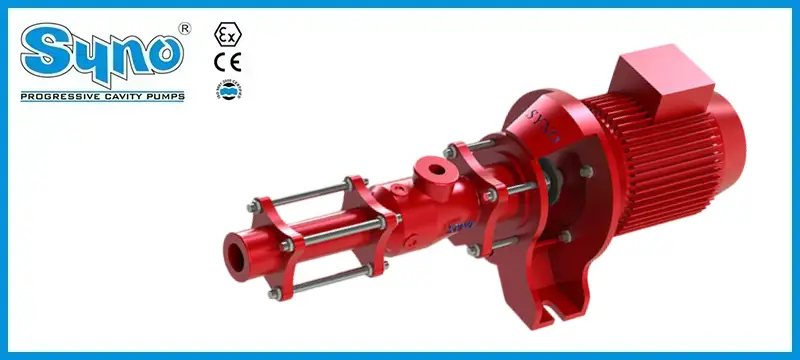
Case Study: Improving Production Efficiency with Screw Pumps
In the competitive landscape of modern industry, production efficiency is a critical factor that can determine the success or failure of manufacturing and processing operations. Companies continuously seek innovative solutions to optimize their processes, reduce downtime, and enhance product quality. One such solution that has gained significant traction across various sectors is the use of screw pumps. This case study explores how the implementation of screw pumps led to a remarkable improvement in production efficiency for a mid-sized chemical manufacturing company.
Introduction to Screw Pumps
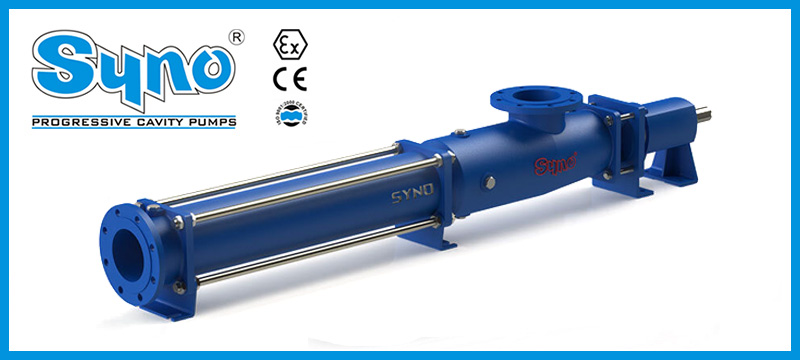
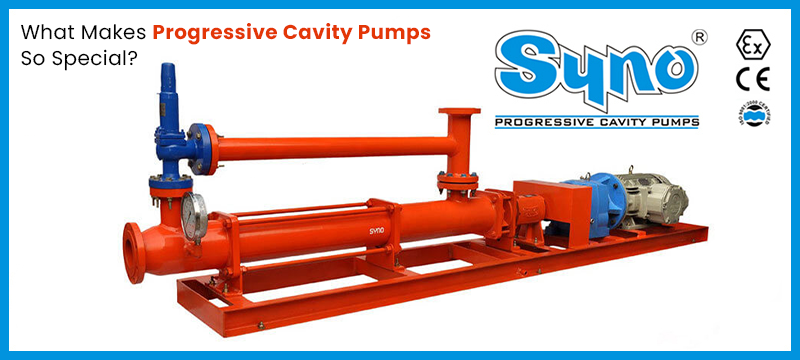
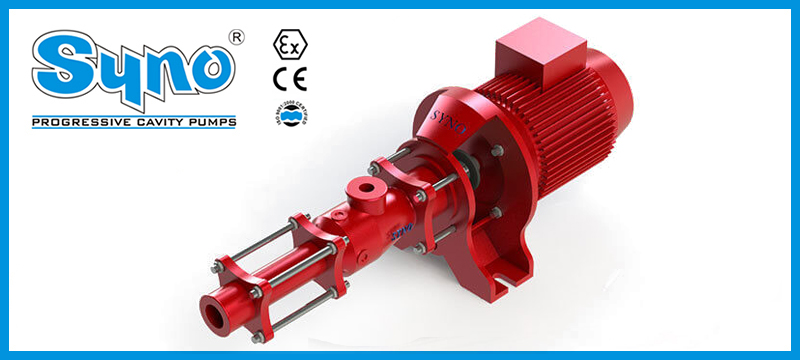
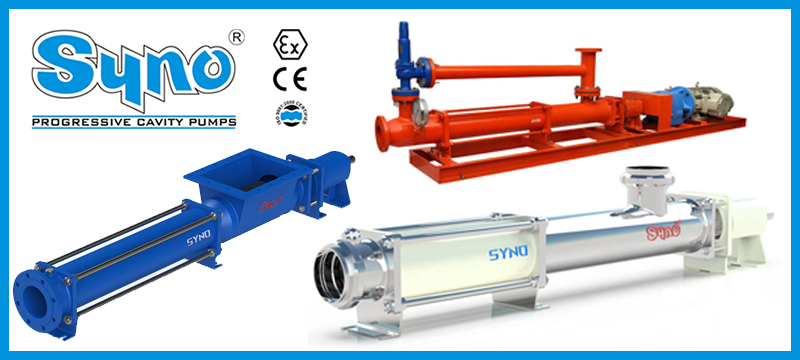
Screw pumps are a type of positive displacement pump that use one or more screws to move fluids along the screw axis. Unlike centrifugal pumps, which rely on velocity to move fluids, screw pumps provide a steady, non-pulsating flow, making them ideal for handling viscous, shear-sensitive, or abrasive fluids. Their robust design, ability to handle a wide range of viscosities, and gentle pumping action make them suitable for diverse industrial applications including chemical processing, oil and gas, food and beverage, and wastewater treatment.
Background: The Company and Its Challenges
The company in focus is ChemPro Solutions, a mid-sized chemical manufacturer specializing in the production of specialty polymers and adhesives. Their production process involves the handling of highly viscous fluids and complex chemical mixtures that require precise and consistent pumping to maintain product quality.
Challenges faced by ChemPro Solutions included:
- Inconsistent Flow Rates: The existing centrifugal pumps struggled with the high viscosity of the fluids, leading to fluctuating flow rates and inconsistent product quality.
- Frequent Downtime: Pump failures and maintenance requirements caused frequent production stoppages, impacting delivery schedules.
- High Energy Consumption: The centrifugal pumps operated inefficiently under the process conditions, resulting in elevated energy costs.
- Shear Sensitivity: The delicate nature of some chemical mixtures meant that excessive shear forces from the pumps degraded product quality.
Recognizing these issues, ChemPro Solutions sought a pumping solution that could handle viscous fluids gently, provide consistent flow, reduce maintenance, and lower energy consumption.
Why Screw Pumps?
After evaluating various options, the company decided to pilot screw pumps due to their unique advantages:
- Steady, Pulsation-Free Flow: Screw pumps deliver a smooth flow, essential for maintaining consistent chemical reactions and product uniformity.
- Handling of High Viscosity Fluids: Their design allows efficient pumping of thick, sticky fluids without loss of performance.
- Low Shear Pumping: The gentle pumping action preserves the integrity of shear-sensitive materials.
- Robust and Reliable: Screw pumps have fewer moving parts exposed to wear, reducing maintenance frequency.
- Energy Efficiency: Positive displacement operation means the pump delivers flow proportional to speed, optimizing energy use.
Implementation Process
Pilot Testing
ChemPro Solutions installed a screw pump system on one of their production lines to test its performance against the existing centrifugal pumps. The pilot involved:
Selecting a screw pump model with appropriate capacity and materials compatible with the chemical fluids.
Integrating the pump with existing piping and control systems.
Monitoring flow rates, energy consumption, product quality, and maintenance needs over a three-month period.
Data Collection and Analysis
During the pilot, the company collected extensive data on:
- Flow consistency and volume.
- Energy usage compared to previous pumps.
- Product quality parameters such as viscosity, homogeneity, and chemical stability.
- Maintenance logs including downtime and repair costs.
Full-Scale Deployment
Encouraged by the pilot results, ChemPro Solutions gradually replaced centrifugal pumps across multiple production lines with screw pumps. The deployment was phased to minimize disruption and allow staff training on the new equipment.
Results and Benefits
The implementation of screw pumps brought significant improvements across several key performance indicators:
Improved Flow Consistency
The screw pumps provided a steady, pulsation-free flow, eliminating the fluctuations experienced with centrifugal pumps. This consistency was critical in maintaining precise chemical reactions and ensuring uniform product batches.
- Impact: Product quality improved, with reduced variability in viscosity and chemical composition.
- Customer Feedback: End-users reported better performance and reliability of the polymers and adhesives.
Reduced Downtime and Maintenance
Screw pumps demonstrated superior reliability, with fewer breakdowns and less frequent maintenance requirements.
- Impact: Production uptime increased by 15%, enabling the company to meet delivery deadlines more consistently.
- Cost Savings: Maintenance costs dropped by 20%, and spare parts inventory was streamlined.
Energy Efficiency Gains
The positive displacement nature of screw pumps meant that energy consumption was closely aligned with actual flow requirements, avoiding the inefficiencies of centrifugal pumps operating off their best efficiency point.
- Impact: Energy costs decreased by approximately 12%, contributing to overall operational savings.
- Sustainability: Reduced energy use supported the company’s environmental goals.
Preservation of Product Integrity
The low shear pumping action of screw pumps minimized damage to shear-sensitive chemical mixtures.
- Impact: The company observed fewer product defects and less waste due to degraded materials.
- Quality Control: Enhanced product consistency reduced the need for reprocessing.
Scalability and Flexibility
The modular design of screw pumps allowed ChemPro Solutions to easily scale operations and adapt to changing production volumes.
- Impact: The company could quickly adjust pump speeds to meet varying demand without compromising performance.
- Future-Proofing: The flexibility supported new product development and process optimization.
- Technical Insights: Why Screw Pumps Excelled
To understand the success of screw pumps in this case, it’s important to delve into their technical advantages:
- Positive Displacement Mechanism: Unlike centrifugal pumps that rely on velocity, screw pumps move a fixed volume of fluid per revolution, ensuring precise flow control.
- Multiple Screw Design: The intermeshing screws create sealed cavities that transport fluid smoothly, reducing pulsation and vibration.
- Material Compatibility: Pumps were constructed from corrosion-resistant alloys and lined with specialized coatings to withstand aggressive chemicals.
- Sealing and Bearing Systems: Advanced sealing technology prevented leaks and contamination, while robust bearings supported long operational life.
- Variable Speed Drives: Integration with variable frequency drives (VFDs) allowed fine-tuning of flow rates and energy consumption.
Challenges and How They Were Overcome
While the transition to screw pumps was largely successful, ChemPro Solutions encountered some challenges:
- Initial Capital Investment: Screw pumps had a higher upfront cost compared to centrifugal pumps. The company justified this through a detailed ROI analysis showing long-term savings.
- Staff Training: Operators and maintenance personnel required training to handle the new technology. The pump supplier provided comprehensive training sessions and documentation.
- Integration Complexity: Modifying existing piping and control systems required careful planning. The company engaged engineering consultants to ensure smooth integration.
Lessons Learned
This case study offers valuable lessons for other companies considering screw pumps:
- Pilot Testing is Crucial: Testing pumps under real process conditions helps validate performance and identify potential issues.
- Total Cost of Ownership Matters: Evaluating energy savings, maintenance costs, and production gains provides a clearer financial picture than focusing on purchase price alone.
- Supplier Partnership: Working closely with experienced pump manufacturers ensures proper selection, installation, and support.
- Continuous Monitoring: Ongoing performance tracking enables proactive maintenance and process optimization.
Broader Implications for Industry
The success of screw pumps at ChemPro Solutions reflects a broader trend in industrial fluid handling:
- Shift Toward Positive Displacement Pumps: Industries handling viscous or sensitive fluids increasingly prefer screw pumps for their reliability and precision.
- Focus on Energy Efficiency: Rising energy costs and environmental regulations drive adoption of efficient pumping technologies.
- Customization and Innovation: Advances in materials and design allow screw pumps to meet specialized application needs.
- Digital Integration: Smart pumps with sensors and IoT connectivity enable real-time monitoring and predictive maintenance.
The case of ChemPro Solutions demonstrates how screw pumps can significantly improve production efficiency in chemical manufacturing by providing consistent flow, reducing downtime, lowering energy consumption, and preserving product quality. Through careful selection, pilot testing, and phased implementation, the company transformed its pumping operations, achieving measurable operational and financial benefits.
For industries facing challenges with viscous, abrasive, or shear-sensitive fluids, screw pumps offer a compelling solution that balances performance, reliability, and cost-effectiveness. As technology continues to evolve, the role of screw pumps in enhancing industrial productivity is set to grow, making them a smart investment for forward-thinking companies.