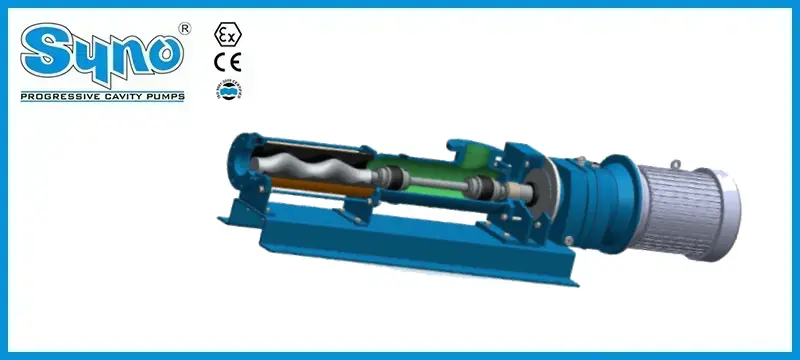
Top Export Markets for Progressive Cavity Pumps in 2025
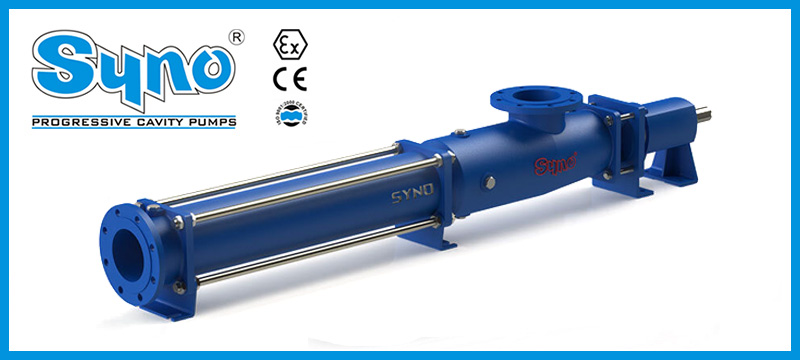
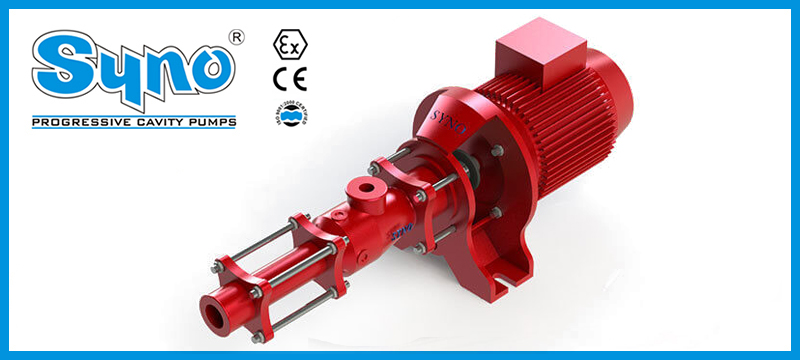
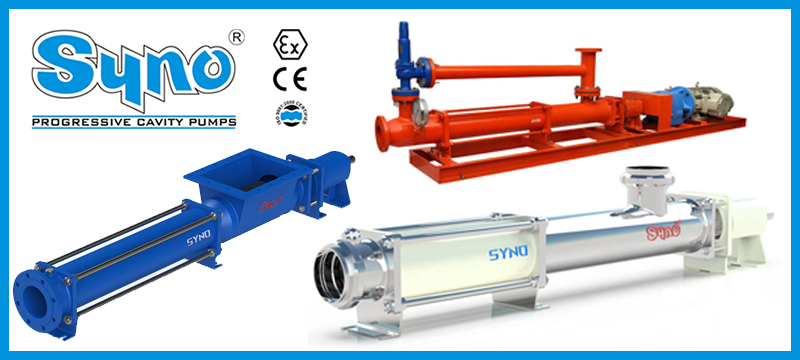
Progressive cavity pumps, also known as eccentric screw pumps or PC pumps, are versatile positive displacement pumps renowned for their ability to handle viscous, abrasive, and shear-sensitive fluids. These pumps operate on a helical rotor and stator design, making them ideal for applications in industries like oil and gas, wastewater treatment, food processing, mining, and chemical manufacturing. As global industries evolve, the demand for efficient pumping solutions is surging, particularly in emerging markets driven by industrialization, environmental regulations, and energy transitions. In 2025, exporters of progressive cavity pumps are eyeing lucrative opportunities in regions where infrastructure development and resource extraction are accelerating. This article explores the top export markets for progressive cavity pumps in 2025, highlighting key drivers, opportunities, and challenges based on current trends and projections.
Understanding the Global Landscape for Progressive Cavity Pumps
Before diving into specific markets, it's essential to grasp the broader context shaping the export potential for progressive cavity pumps. The global pump market is projected to grow at a compound annual growth rate (CAGR) of around 5-7% through 2025, fueled by increasing investments in water and wastewater management, oil recovery, and renewable energy projects. Progressive cavity pumps stand out due to their efficiency in handling challenging fluids, such as sludge, slurries, and multiphase mixtures, which are common in these sectors.
Key factors influencing export markets in 2025 include:
- Industrialization and Urbanization: Rapid urban growth in developing regions is boosting demand for pumps in construction, sewage systems, and manufacturing.
- Environmental Regulations: Stricter standards for pollution control and water treatment are driving the adoption of reliable pumping technologies.
- Energy Transition: The shift toward sustainable energy sources, including biofuels and geothermal, requires specialized pumps for fluid transfer.
- Economic Recovery: Post-pandemic rebounds in key economies are increasing capital expenditures on infrastructure.
Exporters must navigate challenges like supply chain disruptions, fluctuating raw material costs, and competition from local manufacturers. However, with advancements in pump design such as smart sensors for predictive maintenance these devices are becoming more attractive for international trade.
Top Export Markets: A Closer Look
Based on market analysis from industry reports like those from Grand View Research and Frost & Sullivan, combined with 2025 projections, the top export markets for progressive cavity pumps are dominated by high-demand regions in Asia, the Americas, Europe, and the Middle East. These markets offer a mix of established and emerging opportunities, with total export value potentially exceeding $2 billion by 2025. Below, we rank and detail the top 10 markets, focusing on why they're poised for growth.
China: The Dominant Player in Asia
China remains the world's largest importer of progressive cavity pumps, driven by its massive industrial base and infrastructure projects. In 2025, demand is expected to soar due to the country's push for environmental sustainability and energy efficiency. Key sectors include wastewater treatment plants, oil refineries, and food processing industries. Opportunities abound for exporters offering customized, high-capacity pumps that comply with China's stringent emission standards. However, challenges include intense competition from domestic manufacturers and navigating complex import regulations. Estimated import value: $500 million+.
India: Rapid Industrial Growth
India's export market for progressive cavity pumps is heating up with initiatives like "Make in India" and investments in smart cities. The country's expanding oil and gas sector, coupled with rising demand for water treatment solutions amid water scarcity issues, positions it as a top destination. Pumps are crucial for handling viscous crude oil and sewage in urban areas. Exporters can capitalize on partnerships with Indian firms for joint ventures. Challenges involve bureaucratic hurdles and price sensitivity. Projected growth: 8-10% CAGR.
United States: Technological Innovation Hub
The U.S. market, while mature, offers steady export potential for advanced progressive cavity pumps, especially in shale oil extraction and chemical processing. In 2025, the focus on renewable energy and infrastructure upgrades under the Biden administration will drive demand. American buyers prefer pumps with IoT integration for remote monitoring. Opportunities lie in supplying eco-friendly models that reduce energy consumption. Trade barriers and high competition from local giants like Halliburton pose challenges. Import volume: Significant, with a focus on premium products.
Germany: Engineering Excellence in Europe
Germany's reputation for precision engineering makes it a prime export market for high-quality progressive cavity pumps. The country's emphasis on Industry 4.0 and sustainable manufacturing aligns perfectly with pump innovations. Applications span automotive, pharmaceuticals, and biogas production. Exporters can benefit from Germany's strong regulatory framework and demand for durable, efficient equipment. However, the market is price-competitive, requiring differentiation through superior technology. Expected imports: Robust in the EU context.
Brazil: Emerging in Latin America
Brazil's export market is gaining traction due to its vast oil reserves and agricultural sector. Progressive cavity pumps are essential for pumping heavy crude and handling food slurries in sugarcane processing. With economic stabilization and investments in infrastructure, 2025 looks promising. Opportunities include supplying pumps for offshore drilling and wastewater management. Challenges include currency fluctuations and logistical issues in remote areas. Growth potential: High in South America.
Saudi Arabia: Oil-Driven Demand in the Middle East
As a key player in the OPEC, Saudi Arabia's Vision 2030 plan is boosting demand for progressive cavity pumps in oil extraction and desalination projects. The harsh desert environment demands rugged, corrosion-resistant pumps. Exporters can tap into government contracts for energy diversification. However, geopolitical tensions and local content requirements may complicate exports. Market size: Expanding rapidly.
United Arab Emirates (UAE): Hub for Infrastructure
The UAE's ambitious projects, like Expo 2020 legacies and smart city initiatives, create a fertile ground for pump exports. Progressive cavity pumps are vital for water desalination, construction, and oil & gas. Dubai and Abu Dhabi offer tax incentives for foreign suppliers. Opportunities lie in eco-innovative pumps for sustainable development. Challenges include adapting to extreme climates and competition from global brands.
Mexico: Gateway to North America
Mexico's proximity to the U.S. and its growing manufacturing sector under the USMCA trade agreement make it an attractive market. Demand stems from automotive, mining, and petrochemical industries. Progressive cavity pumps handle abrasive fluids in mining operations. Exporters benefit from streamlined trade routes. Inflation and security concerns are potential hurdles.
South Africa: Resource-Rich Opportunities
South Africa's mining and water treatment sectors drive imports of progressive cavity pumps. With a focus on economic recovery post-COVID, the country is investing in infrastructure. Pumps are needed for slurry handling in gold and diamond mines. Opportunities for durable, low-maintenance models. Challenges include economic instability and import duties.
Indonesia: Southeast Asia's Rising Star
Indonesia's export market is burgeoning with its palm oil industry and urbanization efforts. Progressive cavity pumps are ideal for viscous palm oil transfer and wastewater in cities like Jakarta. Government policies promoting industrialization offer entry points. However, tropical climates demand weather-resistant designs, and competition from Asian rivals is stiff.
Strategies for Successful Exports in 2025
To thrive in these markets, exporters should prioritize customization, compliance with local standards, and building strong distribution networks. Investing in digital marketing, attending trade shows like ACHEMA or IFAT, and offering after-sales support can enhance visibility. Additionally, focusing on sustainability such as energy-efficient pumps aligns with global trends like the Paris Agreement.
Future Outlook and Conclusion
The export landscape for progressive cavity pumps in 2025 is dynamic, with Asia and the Middle East leading the charge due to rapid industrialization. While challenges like trade tariffs and supply chain issues persist, the opportunities in water management, energy, and manufacturing are immense. By understanding regional nuances and leveraging technological advancements, exporters can secure a competitive edge. As global demands evolve, progressive cavity pumps will continue to play a pivotal role in shaping sustainable industries worldwide. If you're an exporter or manufacturer, now is the time to explore these markets and position your products for long-term success.