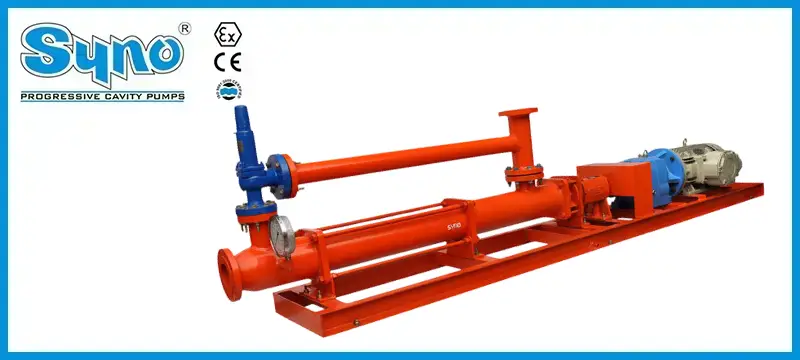
Why Custom Progressive Cavity Pumps Offer Better ROI for Industries
In the competitive landscape of industrial operations, where efficiency and cost-effectiveness are paramount, progressive cavity pumps (PCPs) have become a staple for handling viscous, abrasive, or shear-sensitive fluids. These pumps, with their helical rotor and stator design, provide steady, pulsation-free flow ideal for applications ranging from wastewater treatment to food processing. However, not all PCPs are created equal. Off-the-shelf models may suffice for basic needs, but custom progressive cavity pumps tailored to specific operational demands deliver superior performance and long-term value. By optimizing design, materials, and features, custom PCPs enhance productivity, reduce downtime, and minimize expenses, ultimately offering a better return on investment (ROI). This article explores why investing in custom progressive cavity pumps pays off for industries, backed by practical insights and real-world implications.
Understanding Progressive Cavity Pumps and Customization
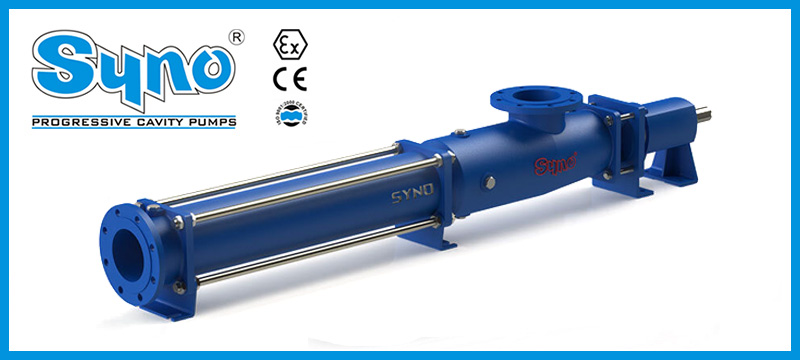
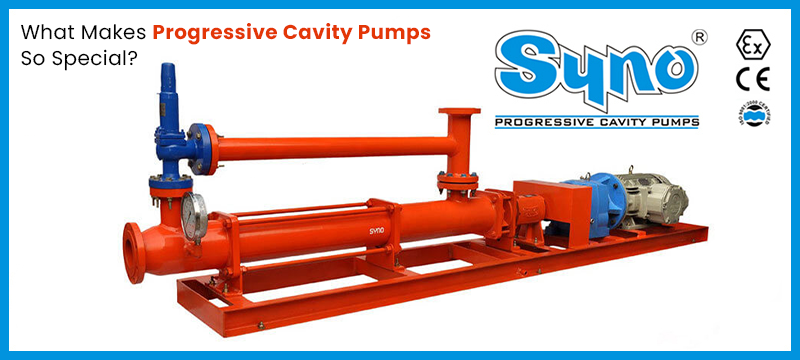
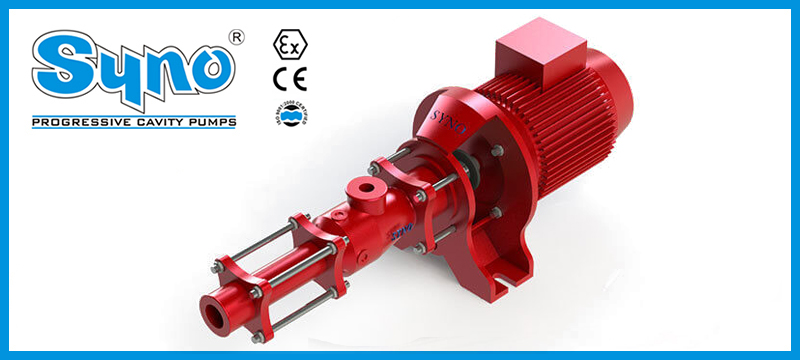
Progressive cavity pumps operate by rotating a helical rotor within a stator, creating progressive cavities that move fluid along the axis. This mechanism excels in pumping challenging media like slurries, pastes, and high-viscosity liquids without damaging them. Standard PCPs come in predefined sizes and materials, suitable for general use but often lacking in specificity. Custom progressive cavity pumps, on the other hand, are engineered to match exact requirements, such as flow rates, pressure tolerances, or environmental conditions. Manufacturers collaborate with clients to modify rotors, stators, drive systems, and coatings, ensuring a perfect fit.
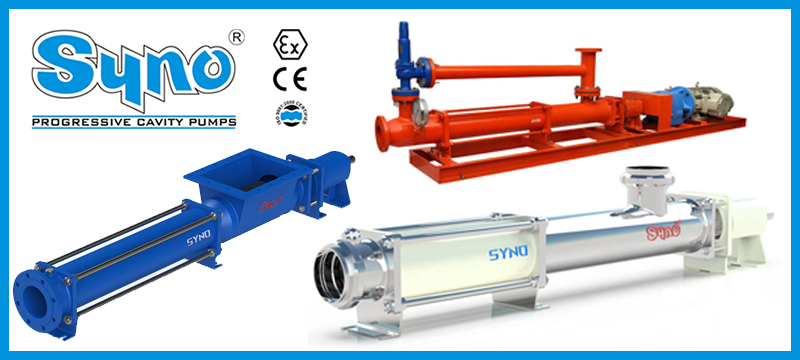
Customization isn't just about tweaks it's about aligning the pump with the application's nuances. For instance, a pump for chemical processing might incorporate corrosion-resistant alloys, while one for food handling could feature hygienic, FDA-compliant materials. This bespoke approach maximizes efficiency and longevity, directly impacting ROI through reduced operational costs and enhanced output.
Enhanced Efficiency and Performance Gains
One of the primary reasons custom progressive cavity pumps yield better ROI is their ability to boost operational efficiency. Standard pumps may underperform in specialized tasks, leading to energy waste and inconsistent flow. Custom designs optimize for precise parameters, resulting in smoother operations.
- Tailored Flow and Pressure: Custom PCPs can be calibrated for exact flow rates and pressures, minimizing energy consumption. For example, in oil extraction, a pump designed for high-viscosity crude can achieve up to 20% better efficiency than a generic model.
- Reduced Pulsation and Shear: By customizing rotor geometry, these pumps handle shear-sensitive fluids gently, preserving product integrity in industries like pharmaceuticals or cosmetics, where quality directly affects profitability.
- Automation Integration: Many custom PCPs include sensors and controls for real-time monitoring, allowing predictive maintenance and reducing unplanned stops.
These efficiencies translate to higher throughput and lower utility bills, with ROI improvements often seen within the first year of operation.
Superior Durability and Longevity
Durability is a cornerstone of ROI, and custom progressive cavity pumps excel here by withstanding harsh conditions better than standard alternatives. Off-the-shelf pumps might fail prematurely in abrasive or corrosive environments, incurring frequent replacement costs. Customization addresses these vulnerabilities.
- Material Selection: Using specialized alloys or coatings, such as tungsten carbide for abrasion resistance, extends pump life. In mining, custom PCPs handling slurries can last 2-3 times longer than standard ones.
- Design Adaptations: Features like reinforced stators or variable pitch rotors prevent wear, reducing maintenance intervals. This longevity means fewer capital expenditures on replacements.
- Environmental Resilience: Custom pumps can incorporate heat-resistant or explosion-proof elements, ensuring reliability in extreme settings like petrochemical plants.
With extended lifespans often 5-10 years versus 2-3 for standard pumps custom PCPs lower total ownership costs, enhancing ROI through sustained performance.
Cost Savings and Financial Benefits
While custom progressive cavity pumps have higher upfront costs, their ROI shines through substantial savings over time. The initial investment, typically 20-50% more than standard models, is offset by operational efficiencies and reduced expenses.
- Energy and Maintenance Savings: Optimized designs consume less power and require less frequent servicing. Industries report 15-30% reductions in energy costs and maintenance budgets.
- Waste Reduction: Precise handling minimizes fluid loss or contamination, cutting waste disposal fees. In food processing, this can save thousands annually.
- Scalability and Flexibility: Custom pumps adapt to changing needs without full replacements, avoiding costly upgrades. For growing businesses, this flexibility supports expansion without proportional cost hikes.
Financial analyses often show ROI payback periods of 1-2 years, with net benefits accumulating thereafter.
Industry-Specific Applications and ROI Impacts
Custom progressive cavity pumps prove their worth across diverse sectors, delivering tailored solutions that drive profitability.
- Wastewater and Environmental: Custom PCPs with anti-clog designs handle solids-laden fluids efficiently, reducing treatment costs and compliance fines.
- Food and Beverage: Hygienic, customizable pumps ensure product consistency, boosting yields and meeting stringent standards for better market positioning.
- Oil and Gas: Pumps engineered for high-pressure, viscous media optimize extraction, increasing output and reducing downtime in drilling operations.
- Chemical and Pharmaceutical: Corrosion-resistant customizations prevent leaks, enhancing safety and minimizing regulatory risks.
In each case, the ROI is evident through improved margins and competitive advantages.
Overcoming Challenges in Customization
Despite benefits, custom progressive cavity pumps face hurdles like longer lead times and higher costs. However, these can be mitigated.
- Lead Time Management: Partnering with experienced manufacturers ensures timely delivery through modular designs.
- Cost Justification: Conduct ROI projections using tools like net present value calculations to validate investments.
- Quality Assurance: Rigorous testing and certifications guarantee performance, preventing post-installation issues.
By addressing these, industries can fully realize the advantages.
Best Practices for Maximizing ROI
To harness the full potential of custom progressive cavity pumps:
- Needs Assessment: Collaborate with engineers to define specifications based on fluid type, volume, and environment.
- Supplier Selection: Choose reputable manufacturers with customization expertise, verified through case studies.
- Monitoring and Maintenance: Implement data-driven upkeep to extend life and track ROI metrics.
- Training and Integration: Ensure staff training for optimal use, integrating pumps into broader systems for holistic efficiency.
Following these practices amplifies returns.
Future Trends and Sustainability
As industries embrace sustainability, custom PCPs with eco-friendly materials and energy-efficient designs will offer even better ROI. Innovations like IoT-enabled pumps promise predictive analytics, further reducing costs.
Custom progressive cavity pumps provide a compelling ROI by delivering unmatched efficiency, durability, and cost savings tailored to industrial needs. While the initial outlay may seem daunting, the long-term benefits from reduced downtime to enhanced productivity make them a smart investment. For businesses aiming to stay ahead, customizing PCPs isn't just an option; it's a strategic imperative. By prioritizing specificity, industries can achieve sustainable growth and superior financial outcomes, proving that personalization pays dividends in the world of fluid handling.