Why Rotor Coating Quality Is Critical in Progressive Cavity Pumps
Progressive cavity pumps (PCPs) are indispensable in industries requiring precise fluid handling, from wastewater treatment to food processing. These pumps operate on a simple yet ingenious principle: a helical rotor rotates within a stator, creating cavities that move fluid progressively along the pump. At the heart of this efficiency is the rotor, and its coating plays a pivotal role in performance. Rotor coating quality isn't just a minor detail it's a cornerstone of reliability, durability, and operational success. Poor coating can lead to premature wear, inefficiencies, and costly downtime, while high-quality coatings enhance longevity and versatility. This article delves into why rotor coating quality is critical in progressive cavity pumps, exploring its impact on functionality, applications, and best practices for manufacturers and users alike.
Understanding Progressive Cavity Pumps and Rotor Coating
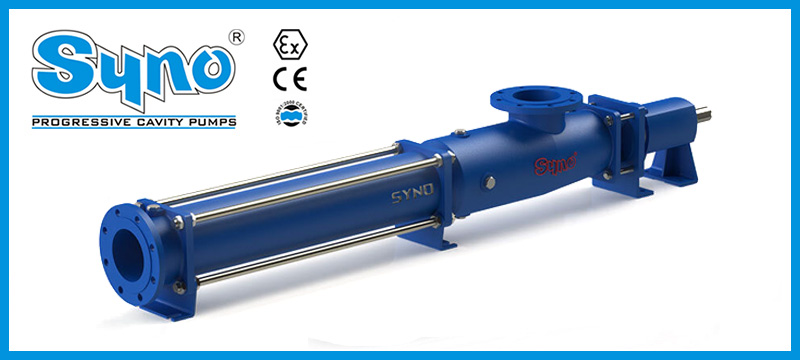
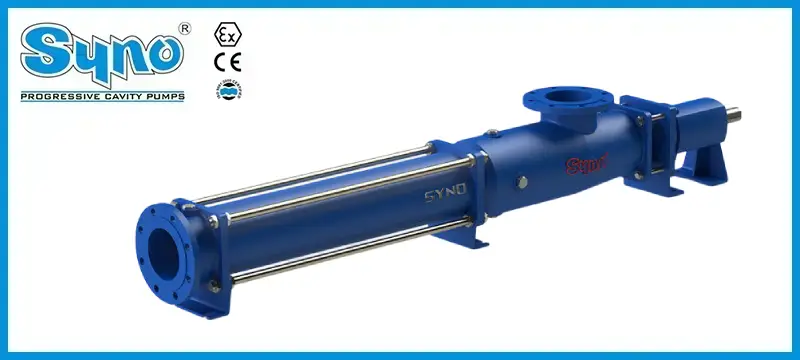
Progressive cavity pumps, also known as eccentric screw pumps, consist of a single helical rotor that turns inside a double-helix stator, forming sealed cavities that transport fluids without pulsation. The rotor is typically made from metal, such as stainless steel or alloy, and coated to protect against abrasion, corrosion, and chemical attack. Coatings can range from basic paints to advanced materials like ceramics, polymers, or composites, applied via spraying, dipping, or thermal processes.
The quality of this coating directly influences how well the rotor withstands the harsh conditions inside the pump. In abrasive environments, like those handling slurries or viscous fluids, the coating acts as a barrier, preventing direct metal-to-metal contact that could cause galling or erosion. Without it, rotors degrade quickly, leading to inefficiencies and failures. High-quality coatings ensure smooth operation, extending the pump's lifespan and maintaining consistent flow rates.
Key Factors Influencing Rotor Coating Quality
Several elements determine the effectiveness of rotor coatings in progressive cavity pumps. Manufacturers must prioritize these to deliver reliable products.
- Material Selection: Coatings like tungsten carbide or chrome oxide provide superior hardness and wear resistance. Inferior materials, such as thin epoxy layers, may crack under pressure, compromising the rotor's integrity.
- Application Techniques: Precise methods, including plasma spraying or electrodeposition, ensure uniform thickness and adhesion. Poor application can result in uneven coverage, leading to weak spots prone to failure.
- Thickness and Durability: Optimal coatings are 0.1-0.5 mm thick, balancing protection with flexibility. Overly thick coatings might reduce efficiency, while thin ones offer minimal defense.
- Testing and Certification: Quality coatings undergo rigorous tests for adhesion, hardness, and corrosion resistance, often certified by standards like ISO or ASTM.
These factors ensure the coating performs under varying conditions, from high temperatures to corrosive media.
Impact on Pump Efficiency and Performance
Rotor coating quality directly affects how progressive cavity pumps perform, influencing efficiency and output.
- Wear Resistance: High-quality coatings minimize abrasion, maintaining rotor geometry and preventing cavitation. This ensures steady flow without fluctuations, crucial for applications like dosing chemicals.
- Energy Efficiency: Smooth coatings reduce friction, lowering power consumption. A well-coated rotor can improve efficiency by 10-20%, translating to cost savings in energy-intensive operations.
- Flow Consistency: Coatings prevent buildup of residues, ensuring uniform cavities and pulsation-free delivery. In food processing, this maintains product quality and hygiene.
- Operational Reliability: Quality coatings withstand thermal cycling and pressure changes, reducing unplanned shutdowns. For instance, in oil extraction, they handle viscous crude without seizing.
Poor coatings, conversely, lead to increased maintenance, higher energy costs, and inconsistent performance, eroding profitability.
Enhancing Durability and Longevity
Durability is a hallmark of progressive cavity pumps, and rotor coating quality is its guardian. In demanding environments, coatings shield against chemical degradation and mechanical stress.
- Corrosion Protection: For pumps handling acids or salts, coatings like PTFE or ceramic composites resist pitting and rust, extending rotor life from months to years.
- Temperature Tolerance: High-heat coatings endure up to 200°C or more, vital in industrial settings like petrochemicals, where thermal expansion could otherwise warp the rotor.
- Mechanical Integrity: Quality coatings absorb impacts, preventing cracks that propagate under load. This is essential in mining, where abrasive slurries test limits.
- Maintenance Reduction: Durable coatings mean fewer replacements, with some pumps lasting over a decade without rotor overhaul, lowering total cost of ownership.
Investing in superior coatings pays off through reduced downtime and enhanced asset value.
Applications Where Quality Matters Most
Different industries highlight the criticality of rotor coating quality in progressive cavity pumps.
- Wastewater and Sludge Handling: Abrasive particles demand robust coatings to prevent clogging and wear, ensuring reliable sewage treatment.
- Food and Beverage: Hygienic, FDA-approved coatings maintain purity, avoiding contamination in dairy or sauce production.
- Oil and Gas: Viscous fluids require coatings that handle high pressures and temperatures, optimizing extraction efficiency.
- Chemical Processing: Corrosive substances necessitate chemical-resistant coatings, safeguarding against leaks and explosions.
- Pharmaceuticals: Precision coatings ensure sterile, contamination-free pumping of sensitive fluids.
In each case, subpar coatings can halt operations, underscoring their importance.
Challenges in Achieving High-Quality Rotor Coatings
Despite advancements, challenges persist in rotor coating for progressive cavity pumps.
- Material Compatibility: Matching coatings to specific fluids is tricky; mismatches can lead to delamination or reactivity.
- Cost vs. Quality Trade-Off: Premium coatings increase upfront costs, but skimping leads to higher long-term expenses.
- Application Consistency: Scaling production while maintaining uniformity requires skilled labor and equipment.
- Environmental Factors: Coatings must adapt to varying pH, viscosity, and particulate levels, demanding ongoing R&D.
Manufacturers address these through innovation, like nanotechnology-infused coatings for better adhesion.
Best Practices for Ensuring Rotor Coating Quality
To maximize benefits, follow these guidelines:
- Supplier Selection: Choose manufacturers with proven track records, verified through audits and certifications.
- Quality Assurance Protocols: Implement in-house testing, including hardness checks and adhesion tests, before installation.
- Regular Inspections: Schedule maintenance to monitor coating wear, using non-destructive methods like ultrasonic scanning.
- Customization: Tailor coatings to application needs, consulting experts for optimal formulations.
- Training and Education: Equip technicians with knowledge on coating care to prevent misuse.
Adopting these practices ensures sustained performance and value.
Future Trends and Innovations
As technology evolves, rotor coatings in progressive cavity pumps are advancing with smart materials and eco-friendly options. Nanocoatings and self-healing polymers promise even greater resilience, while sustainable sourcing aligns with green initiatives. Staying abreast of these trends will future-proof operations.
Rotor coating quality is the unsung hero of progressive cavity pumps, dictating efficiency, durability, and reliability across industries. From preventing wear to ensuring safety, high-quality coatings transform potential liabilities into assets. For manufacturers, prioritizing coating excellence means delivering superior products; for users, it guarantees operational peace of mind. By understanding and investing in this critical aspect, businesses can harness the full potential of progressive cavity pumps, driving productivity and innovation in fluid handling. Remember, a well-coated rotor isn't just protection it's the key to enduring performance.